You bought your Atlanta home for the view, whether it overlooks a city skyline, a lake, a golf course, or just a beautiful stretch of wooded landscape. But trees grow. Branches fill in, canopies widen, and that view you fell in love with gradually disappears behind a wall of green. Vista pruning, also called view pruning, is the arborist's solution: selective removal of specific branches to restore or create a visual corridor through the canopy, all while keeping the trees healthy and structurally sound. This guide covers everything you need to know about the technique, from how it works to what it costs and how Atlanta's tree ordinance applies.
What Is Vista Pruning?
Vista pruning is a specialized pruning technique in which an ISA-certified arborist selectively removes or shortens branches to open a line of sight through the tree canopy to a desired view beyond. Unlike crown cleaning or structural pruning, which focus on tree health and safety, vista pruning is primarily aesthetic in purpose while still following sound arboricultural practice.
The goal is not to remove large portions of the tree or reshape it dramatically. Instead, vista pruning creates carefully planned openings, sometimes called windows, that allow you to see through the canopy from key vantage points inside your home or on your deck. A skilled arborist can open a view that looks natural and intentional rather than butchered or over-pruned.
Vista Pruning vs. Regular Pruning
Regular tree pruning, as described on our tree pruning service page, addresses health, safety, and structure. It includes removing dead, diseased, broken, and crossing branches following ANSI A300 standards. Vista pruning takes this a step further by also removing selected healthy branches that obstruct a desired view.
The critical distinction is purpose. In regular pruning, every cut serves the tree. In vista pruning, some cuts serve the property owner's view. An experienced arborist ensures that even these view-motivated cuts follow proper technique: cutting at the branch collar, avoiding flush cuts or stubs, and keeping total live canopy removal within safe limits.
Vista Pruning Techniques
Arborists use several approaches depending on the tree, the view, and the landscape:
Windowing
Windowing involves removing selected interior branches to create openings, or windows, in the canopy. The tree retains its overall shape and most of its leaf area, but the view is visible through the openings. This technique works well for properties where the view is directly through a tree's canopy rather than around it.
Crown Raising
Crown raising removes lower branches to lift the bottom edge of the canopy. This opens a view beneath the tree's canopy while keeping the upper crown intact. It is especially effective for views that are at or below eye level from a sitting position, such as views from a patio or first-floor window.
Selective Thinning
Thinning removes a percentage of branches throughout the canopy to reduce density. The result is a more transparent canopy that filters the view rather than blocking it entirely. Thinning maintains the tree's natural silhouette while allowing light and views to pass through. Arborists generally recommend removing no more than 15 to 25 percent of live branches in a single session.
Crown Reduction
In some cases, reducing the height or spread of the canopy with proper reduction cuts, where a branch is shortened back to a lateral that is at least one-third the diameter of the cut stem, can lower the canopy below a view line. This differs from topping in that every cut is made to a suitable lateral branch, preserving tree structure.
Best Candidates for Vista Pruning
Not all trees respond equally well to vista pruning. The best candidates are:
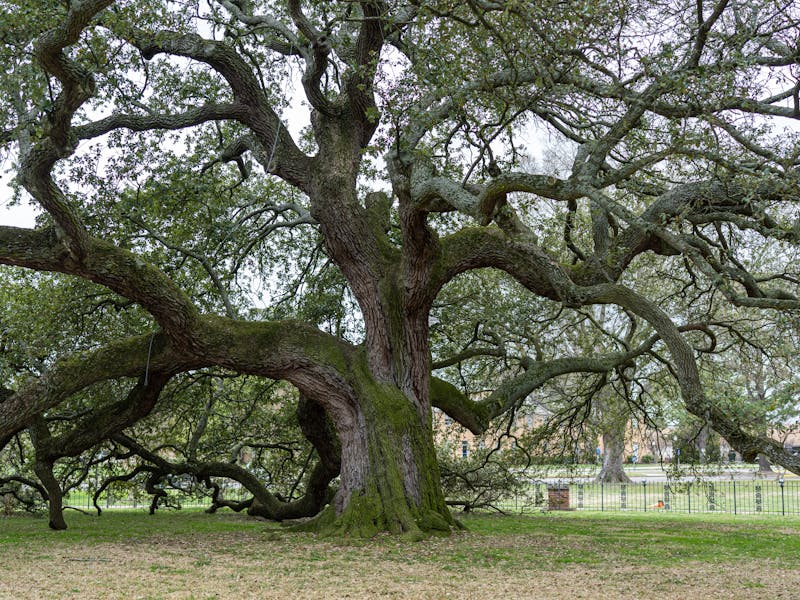
- Deciduous hardwoods with moderate density. Oaks, maples, and elms are excellent candidates. Their branching patterns create natural openings that an arborist can enhance.
- Multi-stemmed trees. Trees with several main trunks or leaders offer more options for selective removal without dramatically changing the tree's appearance.
- Mature trees with high canopies. Established trees with canopies well above eye level often only need lower limb removal or minor thinning to open a view.
Trees that are poor candidates for vista pruning include dense evergreens like magnolias and hollies (removing branches creates permanent gaps since these species do not fill in well), structurally compromised trees that cannot tolerate additional pruning, and young trees that need their full canopy for growth.
Atlanta Tree Ordinance Considerations
The City of Atlanta protects trees with a diameter at breast height (DBH) of six inches or greater. Vista pruning generally does not require a permit as long as the work follows accepted arboricultural standards and does not remove more than one-third of the live canopy. However, there are important considerations:
- If opening a view requires the complete removal of one or more trees, each removal may require a permit and potential recompense.
- Trees in historic districts or on properties with specific zoning conditions may have additional protections.
- Vista pruning on commercial properties or in common areas of HOAs may be subject to tree management plans or board approval.
Our arborists are familiar with Atlanta's tree ordinance and can advise you on compliance before any work begins.
Maintaining Views Without Removing Trees
One of the greatest benefits of vista pruning is that it preserves trees that might otherwise face the chainsaw. Property owners who feel their only option is to remove a view-blocking tree are often surprised to learn that selective pruning can restore most or all of the desired view while keeping the tree intact.
Trees add significant property value, provide shade that reduces cooling costs, manage stormwater, and support wildlife. A skilled arborist who can open your view while preserving these benefits delivers far more value than a removal crew.
Seasonal Timing for Vista Pruning in Atlanta
Vista pruning can be performed year-round in Atlanta, but timing matters:
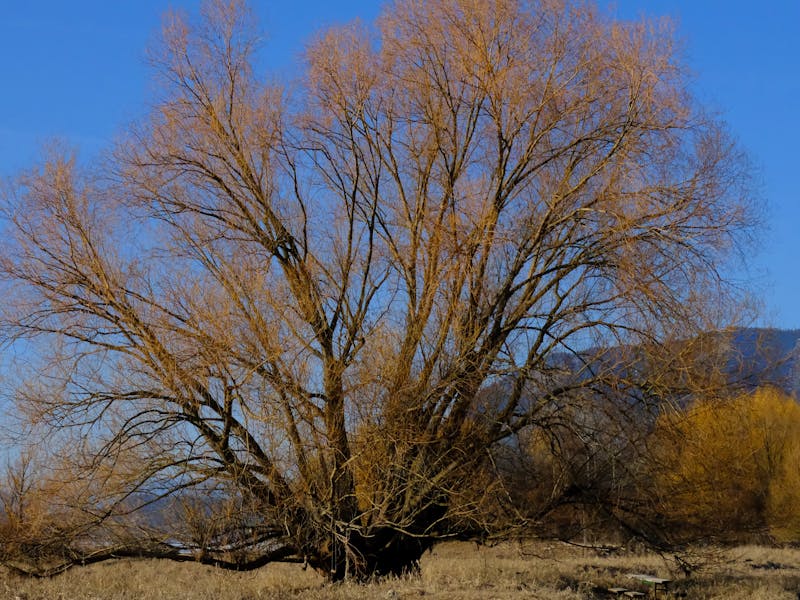
- Late winter (January through March): The ideal time for most species. Without leaves, the branch structure is fully visible, making it easier to identify which branches to remove for maximum view improvement. The tree responds with vigorous spring growth that closes small wounds quickly.
- Summer: Vista pruning during the growing season allows you to see the exact view impact with leaves present. This is helpful for fine-tuning, but more care is needed to avoid removing too much active leaf area.
- Avoid fall: Pruning in fall can stimulate new growth that may not harden off before frost. It also coincides with the active spore release period for some fungal pathogens.
How Much Does Vista Pruning Cost?
Vista pruning costs in the Atlanta area depend on several factors:
- Tree size and species. Larger trees require more aerial work time. Dense-canopied species like live oaks need more selective cutting than open-canopied species like birch.
- Number of trees. View corridors often involve multiple trees. Pruning three or four trees along a view line is typically more cost-effective per tree than pruning one in isolation.
- Complexity of the view. A simple crown raise to open a view below the canopy costs less than detailed windowing through the interior of a dense crown.
- Access and height. Trees on steep slopes, near structures, or requiring significant rope work add to the cost.
Typical ranges are $300 to $2,000 per tree, with most residential vista pruning jobs falling in the $500 to $1,200 range.
Frequently Asked Questions
What is the difference between vista pruning and regular pruning?
Regular pruning focuses on tree health, structure, and safety. Vista pruning is a specialized subset that selectively thins or removes branches specifically to create or maintain a view through or beyond the tree canopy. Both follow proper arboricultural technique, but vista pruning adds an aesthetic objective for the property owner.
How much does vista pruning cost in Atlanta?
Vista pruning typically costs $300 to $2,000 per tree in the Atlanta area. Most residential jobs fall in the $500 to $1,200 range. Multiple trees along a view corridor may be quoted together at a reduced per-tree rate. Contact us for a free estimate specific to your property.
Will vista pruning hurt my tree?
When performed by a certified arborist using proper technique, vista pruning does not harm the tree. Arborists limit live canopy removal to no more than 25 percent and make cuts at correct locations to promote wound closure. The key is selective, strategic removal rather than indiscriminate cutting.
Do I need a permit for vista pruning in Atlanta?
Pruning protected trees in Atlanta generally does not require a permit as long as no more than one-third of the live canopy is removed and proper arboricultural standards are followed. If opening a view requires removing an entire tree, that removal would need a permit for trees six inches DBH or larger. Our arborists advise on permit requirements before work begins.