Quick Facts: Southern Live Oak
Quercus virginiana
40-80 ft
Slow
Full sun to partial shade
Sandy, clay, loam; well-drained to occasionally wet
USDA Zones 7b-10b
Why Southern Live Oaks Thrive in Atlanta
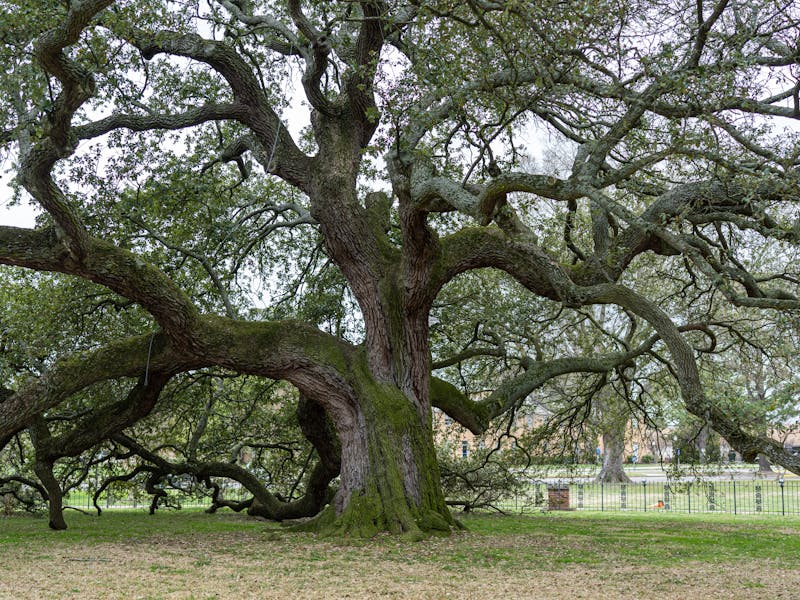
The Southern Live Oak (Quercus virginiana) is one of the most striking shade trees found throughout the Atlanta metro area and across the southeastern United States. Its massive spreading canopy can stretch over 100 feet wide, and that reach has cemented the live oak as a symbol of southern landscapes for generations. In Atlanta's USDA hardiness zones 7b-8a, this species holds up well, though it's more closely linked to coastal areas and the lower Piedmont. Many Atlanta neighborhoods feature mature live oaks that throw generous shade and push property values noticeably higher.
Here's what sets the Southern Live Oak apart from most oaks: it's semi-evergreen, hanging onto its leaves through winter in milder years and dropping them briefly in spring before fresh growth fills in. That year-round canopy makes it a terrific privacy and shade tree for Atlanta residential properties. Plant a live oak and you're investing in a tree that can stand for centuries with proper care from an ISA-certified arborist.
Identifying a Southern Live Oak
Southern Live Oaks have several distinctive features that make identification straightforward. The leaves are simple, leathery, and elliptical, typically 2 to 5 inches long with smooth, slightly rolled-under margins. Glossy dark green on top, pale and faintly fuzzy below. Unlike many oaks, live oak leaves are not lobed.
On mature trees, the bark turns dark brown to nearly black, deeply furrowed, with a rugged, blocky texture. Younger specimens wear smooth gray bark that coarsens over time. The acorns are small, about three-quarters of an inch long, dark brown, and tucked about one-quarter into a cap. They ripen in fall and feed squirrels, deer, and wild turkeys.
The real giveaway, though, is that canopy. Mature live oaks fling massive horizontal limbs outward, sometimes sweeping low enough to brush the ground, and the resulting silhouette is unlike anything else in Atlanta. These trees typically reach 40 to 80 feet in height with a canopy spread that frequently outpaces the height.
Growing Conditions for Atlanta Live Oaks
Southern Live Oaks are adaptable trees, but they perform best in conditions Atlanta delivers well. Full sun is ideal. They'll tolerate partial shade, especially when young. In Atlanta's clay-heavy soils, live oaks reward you for amending the planting area and making sure water drains away from the roots.
Atlanta's red clay can be tough on live oaks, which naturally gravitate toward sandy or loamy ground. When planting in heavy clay, dig the hole two to three times wider than the root ball but no deeper. Backfill with a mix of native soil and compost to loosen drainage and improve structure. Spread 2 to 4 inches of organic mulch out to the drip line, keeping it well away from the trunk.
Established live oaks shrug off moderate drought. Even so, supplemental watering during Atlanta's scorching, dry summers pays off, particularly in the first three to five years after planting. Soak the root zone deeply once a week when rain disappears. One more perk: their dense wood and low center of gravity help live oaks ride out Atlanta's occasional ice storms better than most shade trees.
Common Problems and Diseases
Southern Live Oaks are hardy, but they aren't bulletproof. A few issues come up regularly in the Atlanta area.
Oak Wilt is the most serious disease threat to live oaks. This fungal infection, caused by Ceratocystis fagacearum, chokes off the tree's water-conducting vessels and can kill a tree within months. Symptoms include leaf browning starting at the margins, rapid leaf drop, and eventual dieback. In Atlanta, oak wilt spreads through root grafts between nearby oaks and through sap-feeding beetles. The simplest prevention: don't prune between April and July, and seal any wounds right away.
Root Rot plagues live oaks sitting in Atlanta's waterlogged clay. Phytophthora and Armillaria species are usually to blame. Yellowing leaves, a thinning canopy, and mushrooms popping up near the base all signal trouble. Fix drainage and ease up on watering to keep it at bay.
Gall Wasps leave bumpy growths on leaves and twigs that can look alarming. Relax. Several species of cynipid wasps produce these galls on live oaks, and they seldom do real damage. Treatment is rarely needed unless an infestation is heavy.
Care and Maintenance
Good pruning is what keeps a Southern Live Oak healthy and structurally sound over the long haul. Young trees should be shaped to develop a strong central leader and well-spaced scaffold branches. Mature trees need periodic crown cleaning to clear out dead, diseased, or rubbing branches. Timing matters in Atlanta: prune live oaks during the dormant season, November through February, to shrink the window for oak wilt infection.
A slow-release, balanced fertilizer applied in early spring can give live oaks a boost, especially in Atlanta's nutrient-poor clay soils. Not sure what your soil actually needs? A soil test through your local UGA Extension office will flag specific deficiencies and point you toward the right amendments.
Protect the root zone by maintaining a wide mulch ring and steering vehicles, construction equipment, and heavy foot traffic around it. Live oaks have sprawling surface root systems that buckle under grade changes or compaction. Got construction planned near a live oak? Bring in a certified tree risk assessor before anyone breaks ground.
When to Call an Arborist
Give an ISA-certified arborist a call if you spot sudden leaf browning or drop, fungal bodies at the base, sizable dead limbs overhead, or noticeable lean. We encourage annual checkups for mature live oaks so issues get caught before they snowball. Our team at EastLake Tree Services runs detailed tree health evaluations and plant health care programs tailored to Atlanta's urban canopy.
Atlanta-Specific Tips
Live oaks in Atlanta face different pressures than their coastal relatives. The heavier clay soils demand more attention to drainage, and occasional hard freezes in zone 7b can nip branch tips on young trees. We suggest wrapping newly planted live oaks in burlap during their first two winters if temperatures drop below 15 degrees Fahrenheit. Come summer, deep watering through extended drought stretches keeps trees healthy, especially those planted within the last five years. Ice storms blow in now and then, but live oaks' dense wood and spreading form give them a clear edge over many other Atlanta shade trees.