Quick Facts: Yoshino Cherry
Prunus x yedoensis
20-35 ft
Fast
Full sun
Moist, well-drained, slightly acidic
USDA Zones 5-8
Atlanta's Springtime Icon
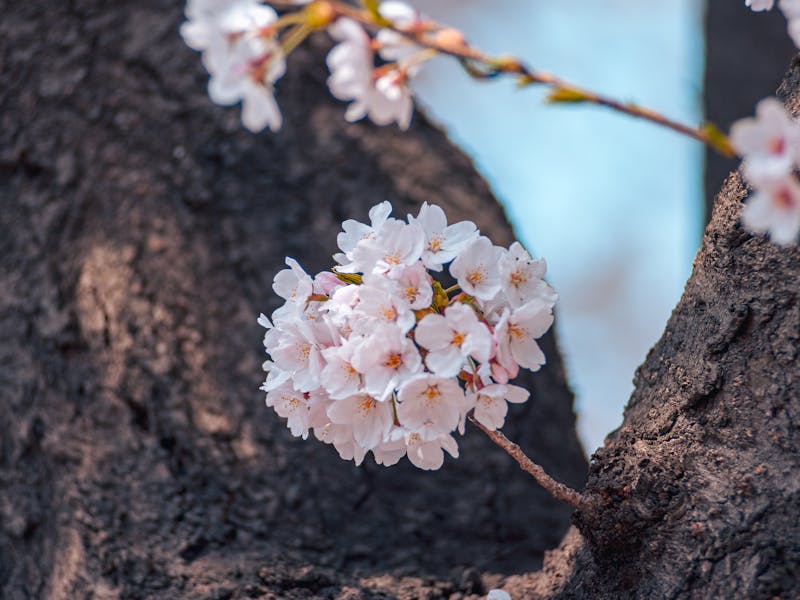
The Yoshino Cherry (Prunus x yedoensis) puts on one of the showiest springtime displays of any tree in metro Atlanta. Every March, these trees burst into clouds of pale pink to white blossoms that change the look of whole neighborhoods. From the Atlanta Botanical Garden to tree-lined streets in Virginia-Highland and Inman Park, blooming Yoshino cherries mark the start of spring and pull admirers from across the region.
A hybrid cross between Prunus speciosa and Prunus subhirtella, this cherry typically grows 20 to 35 feet in height and spread. It's shorter-lived than oaks (averaging 30-50 years), but the Yoshino cherry's beauty and rapid growth earn it a spot in any Atlanta landscape. With attentive care from an ISA-certified arborist, these trees reward you with decades of jaw-dropping spring color.
Identifying a Yoshino Cherry
Yoshino cherries form a vase-shaped to rounded canopy with arching branches that drape gracefully. Leaves are alternate, simple, oval to oblong, 2 to 5 inches long, and serrated along the edges. They push out after the flowers, starting bronze-green and deepening to dark green. Fall color runs yellow to gold, though Atlanta's warm autumns tend to mute it.
Outside bloom season, the bark is the giveaway. Smooth, glossy, reddish-brown, it's marked by horizontal lenticels (breathing pores) that create a banded look you won't mistake for another species. Flowers cluster in groups of 5 to 6 blooms before leaves appear. Each blossom spans about one inch with five petals, opening pale pink and bleaching to white.
Growing Conditions in Atlanta
Full sun and sharp drainage are non-negotiable for Yoshino cherries in Atlanta. They're highly prone to root rot in soggy ground, so site selection matters more than almost any other factor when you're dealing with heavy clay. Pick a raised or well-amended spot where water doesn't collect. A south or east-facing location gives the warmth these trees crave and buffers them from harsh winter winds.
Aim for a slightly acidic to neutral soil pH (6.0-7.0). Water regularly through the first two growing seasons and during drought spells. These are moderate water users, and letting them dry out completely in Atlanta's hot summers will cost you.
Common Problems and Diseases
Borers rank among the worst threats to Yoshino cherries in Atlanta. Peach tree borers and lesser peach tree borers bore into the lower trunk and major limbs, chewing through wood and cutting off water and nutrient flow. Watch for sawdust-like frass at entry holes, gummy sap oozing from the bark, and branch dieback. Stressed or wounded trees get hit hardest, which is why keeping vigor up through solid plant health care is your best defense.
Bacterial Canker from Pseudomonas syringae carves sunken, weeping lesions into branches and trunk, often with sticky gumming. Infected branches wilt and die. The pathogen thrives during Atlanta's cool, wet spring weather. Cut out infected wood during dry summer months and try not to nick the bark.
Root Rot caused by Phytophthora and related organisms shows up often in Atlanta's clay soils. Good drainage and careful watering are the best ways to dodge this frequently fatal problem.
Care and Maintenance
Prune Yoshino cherries in summer after bloom to steer clear of bacterial canker and to keep a clean shape. Take out crossing branches, water sprouts, and dead wood. Go easy -- heavy cuts stress these sensitive trees and open the door to borers.
Feed with a balanced fertilizer in early spring. Spread 2 to 3 inches of organic mulch, but keep it away from the trunk so bark stays dry. Check for borers and canker on a regular basis, especially from spring into early summer.
When to Call an Arborist
If you spot gummy sap on the trunk, holes ringed with sawdust at the base, wilting branches, or cankers on the bark, call an ISA-certified arborist. Yoshino cherries go downhill fast once stress takes hold. Our team at EastLake Tree Services runs targeted care programs for ornamental flowering trees across the Atlanta area.
Atlanta-Specific Tips
Late frosts in Atlanta can nip cherry blossoms. Plant where cold air drains away to cut frost risk. Clay soil paired with summer heat puts Yoshino cherries under real pressure, so amend soil generously at planting and water consistently. These trees usually peak around 20 to 30 years in Atlanta conditions -- worth factoring into your long-term landscape plans.