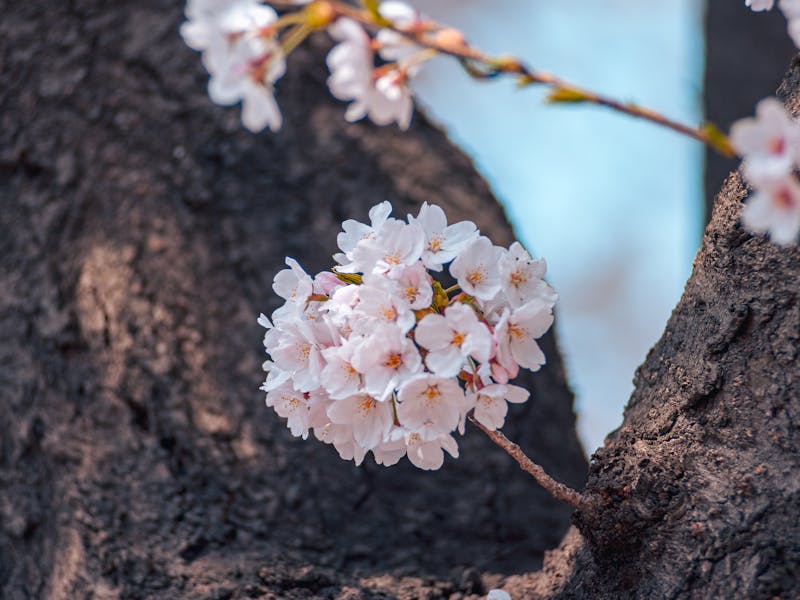
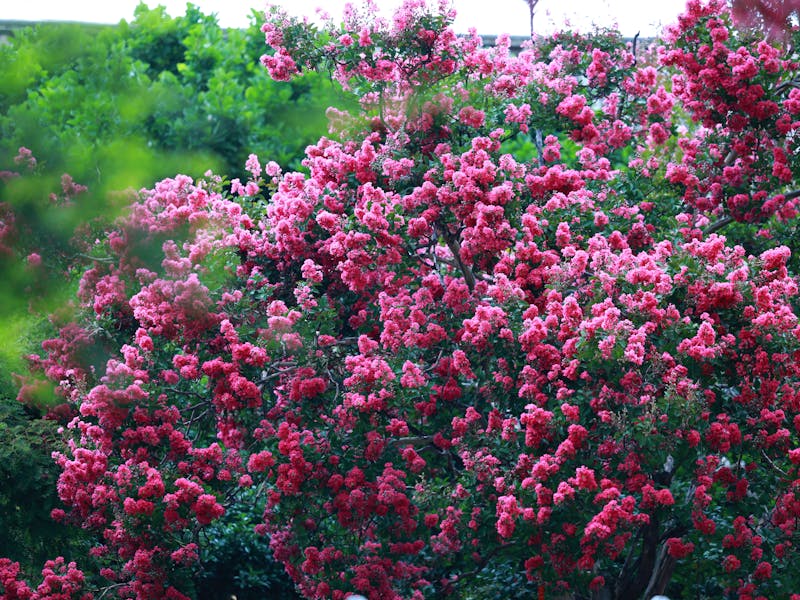
Pollarding is one of the oldest and most misunderstood pruning techniques in arboriculture. When performed correctly on appropriate species, it produces a compact canopy, controls tree size, and can extend the useful life of a tree in tight urban spaces. When performed incorrectly, or on the wrong species, it causes the same kind of damage as topping. This guide covers everything Atlanta homeowners and property managers need to know about pollarding, including which trees respond well, how the process works, and why hiring an ISA-certified arborist is essential.
What Is Pollarding?
Pollarding is a pruning management system in which a tree is initially cut back to a specific framework of branches, called pollard heads or knuckle points. Each year or every few years, all new growth is removed back to these same points. Over time, the knuckle points develop a characteristic knobby appearance as wound wood accumulates around each cut site.
The result is a tree with a controlled, compact canopy that flushes out with dense new growth each spring. The practice originated in medieval Europe, where farmers pollarded trees to produce a sustainable harvest of small-diameter wood for fuel, fencing, and animal fodder. Today, pollarding is primarily used for aesthetic purposes and size management in urban landscapes.
A Brief History of Pollarding
Pollarding has been practiced for at least 2,000 years. In England and continental Europe, pollarded willows, limes, and beeches were a common sight in villages and along waterways. The technique served a practical purpose: by cutting branches above the browse line of livestock, farmers could harvest usable wood without losing the tree or having new shoots eaten by cattle and deer.
In modern cities, pollarded London plane trees line the streets of Paris, London, and Barcelona, where space constraints make traditional crown development impractical. In the American Southeast, crepe myrtles are the most commonly pollarded species, though the practice is often confused with the harmful technique of crepe murder, which is indiscriminate topping rather than true pollarding.
Pollarding vs. Topping: A Critical Distinction
This is the single most important concept in this guide. Pollarding and topping look similar on the surface, but they are fundamentally different in technique, intent, and outcome.
- Pollarding is a planned system. It begins with deliberate cuts to establish permanent knuckle points. All subsequent cuts are made at these same points, year after year. The tree adapts to this cycle and compartmentalizes wounds effectively because the cut area remains small and consistent.
- Topping is an unplanned, one-time (or sporadic) reduction that removes large branches with heading cuts at arbitrary locations. The resulting wounds are too large for the tree to seal properly. Decay sets in behind the cuts, and the vigorous but weakly attached sprouts that emerge are more hazardous than the original branches.
Topping is condemned by every major arboricultural organization, including the International Society of Arboriculture. Pollarding, when done correctly on suitable species, is an accepted arboricultural practice. The difference lies in planning, consistency, species selection, and skill. Learn more about proper pruning practices on our tree pruning service page.
Which Trees Are Suitable for Pollarding?
Not every tree species can tolerate pollarding. The tree must be a vigorous sprouter, meaning it reliably produces new shoots from dormant buds near the cut points. Species that respond well include:
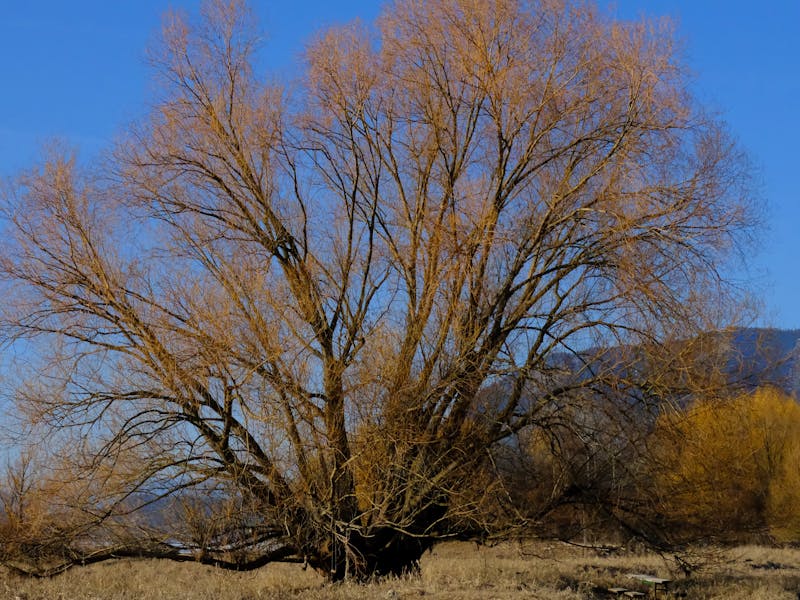
- Willows (Salix spp.): Among the most traditional pollarding subjects. Willows are extremely vigorous sprouters and tolerate hard pruning well.
- London plane trees (Platanus x acerifolia): The iconic pollarded street tree of European cities. Thrives in Atlanta's climate and responds excellently to the technique.
- Crepe myrtles (Lagerstroemia indica): By far the most commonly pollarded tree in the Southeast. True pollarding, as opposed to arbitrary crepe murder, can produce beautiful results with dense flowering clusters on compact new growth.
- Lindens (Tilia spp.): European lindens have a long history of successful pollarding. American basswood also responds well.
- Elms (Ulmus spp.): Many elm species sprout vigorously and can be managed through pollarding, though disease susceptibility is a separate concern.
- Mulberries (Morus spp.): Common in Atlanta landscapes and tolerant of hard pruning.
Species to avoid pollarding include most conifers (pines, spruces, firs), oaks, beeches, and most fruit trees. These species do not sprout reliably from older wood and will decline or die if subjected to pollarding cuts.
The Pollarding Process Step by Step
Proper pollarding follows a structured process that should be initiated by a qualified arborist:
- Initial framework pruning. The tree is cut back to establish the primary branch framework and knuckle points. This is typically done when the tree is young, five to ten years old, though older trees can be transitioned with care. Cuts are made at consistent heights and branch diameters.
- First growing season. The tree produces vigorous new shoots from dormant buds near each cut point. These shoots form the first cycle of pollard growth.
- Annual or biennial maintenance cuts. During winter dormancy, all new growth is removed back to the knuckle points. Over time, the knuckle points enlarge as the tree produces callus tissue around repeated cuts.
- Ongoing management. The cycle repeats indefinitely. Skipping a cycle or two is acceptable, but allowing growth to persist for many years and then cutting back to the knuckle points becomes problematic as branches grow too large to remove without creating oversized wounds.
Timing: When to Pollard in the Atlanta Area
In the Atlanta metro area, pollarding should be performed during late winter dormancy, typically January through early March. This timing offers several advantages:
- The tree is dormant and not actively transporting sugars, minimizing stress.
- Without leaves, the branch structure is fully visible, making precise cuts easier.
- Disease-causing organisms are less active in cold weather, reducing infection risk.
- Spring growth begins shortly after cutting, so the tree quickly produces a new canopy.
Avoid pollarding during the growing season, as this removes active leaf area and forces the tree to deplete stored energy reserves to produce replacement foliage.
Georgia Climate Considerations
Georgia's humid subtropical climate affects pollarding in several ways. The long growing season means pollarded trees produce substantial new growth each year, sometimes three to five feet or more on vigorous species. This heavy growth can create wind resistance issues if maintenance cuts are skipped, which is why sticking to a regular pollarding schedule is critical.
Georgia's frequent summer thunderstorms also test tree structure. A properly pollarded tree with a compact, balanced head sheds wind more effectively than a tree with long, heavy limbs. In this sense, pollarding can actually improve storm resilience for appropriate species in the Atlanta area.
Why Hire a Professional for Pollarding
Pollarding requires skill, species knowledge, and consistency. Here is why professional execution matters:
- Incorrect cuts cause irreversible damage. Cutting at the wrong location creates wounds the tree cannot seal, leading to decay and structural weakness over time.
- Species selection requires expertise. Pollarding an unsuitable species will kill or severely damage it. An arborist knows which trees in your landscape can tolerate the technique.
- Consistency is non-negotiable. Once a pollarding program is started, it must be maintained on schedule. Abandoning a pollarded tree leads to weak, heavy branches that are prone to failure.
- Atlanta tree ordinance compliance. Significant pruning of protected trees in the City of Atlanta may require review. Your arborist can advise on permit requirements.
Learn more about our pruning philosophy in our tree cabling guide and tree bracing guide, which cover complementary structural support techniques.
Frequently Asked Questions
What is the difference between pollarding and topping?
Pollarding is a planned, ongoing pruning system where cuts are made at established knuckle points each year or every few years. The tree adapts to this cycle. Topping is the indiscriminate cutting of large branches to stubs at random locations, which causes decay, weak regrowth, and long-term structural damage. Pollarding maintains tree health when done correctly on appropriate species. Topping harms every tree it is applied to.
Which trees can be pollarded?
Trees that respond well to pollarding include willows, London plane trees, crepe myrtles, lindens, elms, and certain maples and mulberries. The key requirement is that the species must be a vigorous sprouter capable of producing new growth reliably from dormant buds near the cut points. Conifers, oaks, and beeches should not be pollarded.
When should pollarding be done in Atlanta?
Pollarding is best performed during late winter dormancy, typically January through early March. Cutting during dormancy minimizes stress, reduces disease risk, and allows the tree to direct its spring energy into producing a fresh canopy from the established knuckle points.
How much does pollarding cost?
Pollarding costs in Atlanta generally range from $300 to $1,500 per tree depending on size, number of knuckle points, access, and whether it is an initial pollard or annual maintenance. Initial pollarding on a mature tree costs more than ongoing annual maintenance cuts. Contact us for a free estimate.
Can you start pollarding a mature tree?
It is possible to begin pollarding a mature tree, but it must be done carefully over several seasons to avoid shocking the tree. An arborist will typically reduce branches in stages, establishing pollard heads gradually rather than making drastic cuts all at once.