Quick Facts: Leyland Cypress
x Cuprocyparis leylandii
40-60 ft
Very fast (3-4 ft/year)
Full sun
Well-drained; tolerates various soil types
USDA Zones 6-10
Atlanta's Most Popular Privacy Screen
The Leyland Cypress (x Cuprocyparis leylandii) is far and away the most planted privacy screening tree in metro Atlanta. This fast-growing evergreen packs on 3 to 4 feet of height per year, quickly building a dense visual barrier that blocks sightlines and muffles noise. Rows of Leyland cypress mark the boundaries of countless Atlanta properties from Buckhead to Peachtree City, delivering year-round green screening that few other trees can rival.
That popularity comes with a catch, though. Leyland cypress carries real vulnerabilities that Atlanta homeowners need to understand. Disease pressure, especially from Seiridium canker, has turned into a serious problem across the Southeast, killing or disfiguring millions of these trees. Smart planting, proper spacing, and attentive care go a long way toward getting solid performance from Leyland cypress in the Atlanta area.
Identifying a Leyland Cypress
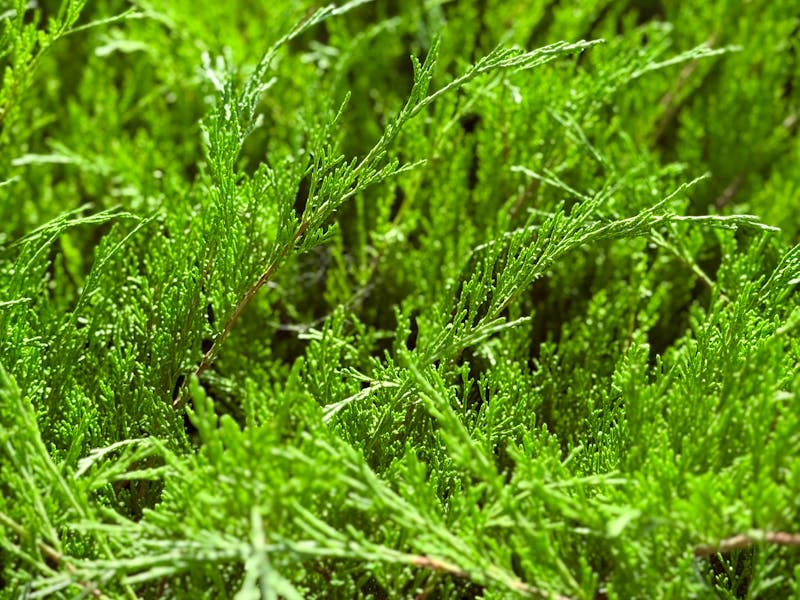
Leyland cypress is an intergeneric hybrid between Monterey cypress and Alaska cedar. It grows in a dense, columnar to pyramidal form with flat sprays of soft, feathery, dark green to blue-green scale-like foliage. Bark runs reddish-brown and picks up shallow furrows with age. Small, round cones about three-quarters of an inch in diameter sometimes show up but tend to go unnoticed.
A well-kept tree holds a tight, dense column that screens beautifully. Skip regular trimming, though, and lower branches die out while the crown turns open and scraggly, particularly on older specimens.
Growing Conditions in Atlanta
Leyland cypress demands full sun and well-drained soil. If you take one thing from this page, make it this: these trees cannot sit in soggy ground. Atlanta's heavy clay with its sluggish drainage is the primary driver behind root rot and canker in local Leyland cypress plantings. When you're choosing a site, look for decent airflow and confirm drainage before you dig. Raised beds or bermed planting areas help a lot in clay-heavy Atlanta yards.
Spacing matters just as much. Set Leyland cypress at least 6 to 8 feet apart for a privacy screen, and never closer than 4 feet. Crowded trees choke off air circulation, which ramps up disease pressure fast. We see it all the time: Atlanta homeowners jam them in too close chasing instant privacy, then face ugly problems within 10 to 15 years.
Common Problems and Diseases
Seiridium Canker is the number one killer of Leyland cypress in the Atlanta area. This fungal disease forces individual branches to brown and die, beginning with sunken, resinous cankers on limbs and the main trunk. It spreads fast during wet weather and is extremely hard to rein in once established. No chemical cure exists. Prune infected branches well below the canker during dry weather, sterilizing your tools between every cut.
Bagworms are a common pest on Leyland cypress in Atlanta. These caterpillars spin distinctive spindle-shaped bags studded with bits of foliage that dangle from branches like odd ornaments. A heavy infestation can strip and kill sections of the tree. Hand-picking bags in winter and applying Bacillus thuringiensis (Bt) in late spring when caterpillars are small works well. Our plant health care program covers monitoring and treatment for bagworms.
Root Rot caused by Phytophthora is widespread in Leyland cypress planted in Atlanta's poorly drained clay soils. Affected trees show progressive browning and thinning from the bottom up. Choosing the right site and managing drainage well outperform any after-the-fact treatment.
Care and Maintenance
Consistent trimming keeps the dense, attractive form of Leyland cypress screens intact. Trim once or twice per year in late spring and again in early fall, never cutting back into bare wood (it won't regrow). Keep airflow up by maintaining adequate spacing and clearing dead interior foliage on a regular basis.
Water during establishment (first 2 years) but don't overdo it. Once settled in, Leyland cypress handles moderate drought without complaint. A light spring dose of balanced evergreen fertilizer works well. Steer clear of heavy nitrogen, which pushes lush, disease-prone growth.
When to Call an Arborist
Contact an ISA-certified arborist if you spot browning branches, especially with visible cankers or oozing resin. Catching canker early can sometimes rescue a screen by removing infected trees before the disease hops to their neighbors. Our team at EastLake Tree Services can diagnose Leyland cypress problems and point you toward tougher replacement species like Green Giant Arborvitae or Cryptomeria.
Atlanta-Specific Tips
Atlanta's mix of clay soil, sticky humidity, and summer thunderstorms creates the perfect recipe for Leyland cypress disease. Putting in a new screen? Give serious thought to disease-resistant alternatives first. Already have existing Leyland cypress? Prioritize air circulation and drainage above everything else. Pull dead trees promptly so they don't seed infection into the healthy ones nearby. For a deeper look at your options, see our blog post on privacy trees along fence lines.