Quick Facts: Downy Serviceberry
Amelanchier arborea
15-25 ft
Moderate
Full sun to partial shade
Moist, well-drained, slightly acidic
USDA Zones 4-8
Why Downy Serviceberry Excels in Atlanta Landscapes
The Downy Serviceberry (Amelanchier arborea) is one of the finest small ornamental trees for Atlanta gardens and residential landscapes. Native to the forests of the southeastern Piedmont, this understory tree offers four seasons of interest: clouds of white flowers in early spring before the leaves emerge, edible purple-black berries in June, clean green summer foliage, and brilliant orange to red fall color. In Atlanta's USDA zones 7b-8a, Downy Serviceberry is perfectly at home, blooming reliably each spring and tolerating both summer heat and occasional winter cold snaps.
At just 15 to 25 feet tall, Downy Serviceberry fits well under power lines, in small yards, and as a specimen tree near patios and entries. The berries are sweet and edible, resembling blueberries in flavor, though you will compete with birds for the harvest. This tree is an excellent choice for Atlanta homeowners seeking a native alternative to ornamental cherries or crabapples.
Identifying Downy Serviceberry
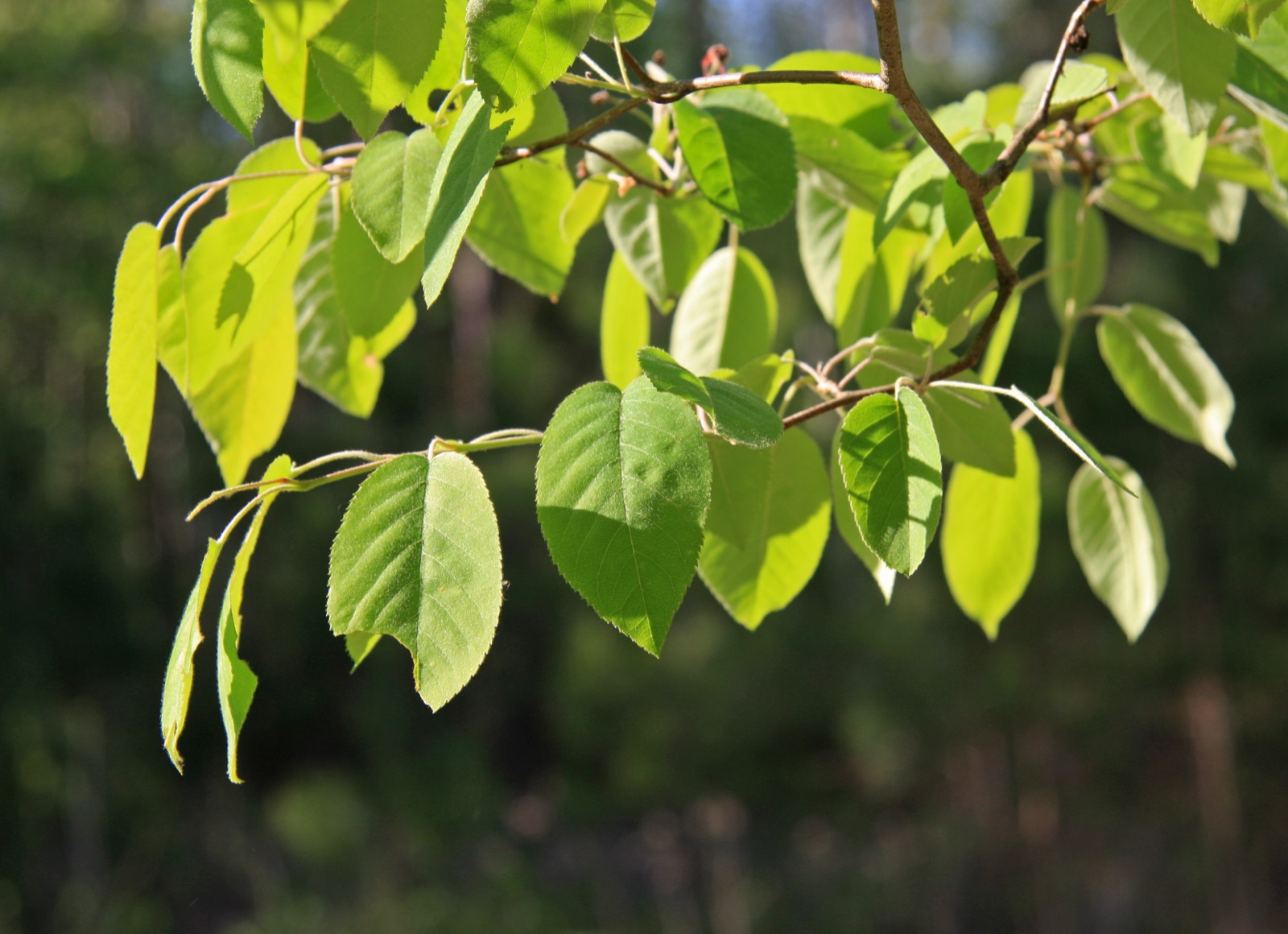
Downy Serviceberry gets its common name from the fine, downy pubescence on the undersides of young leaves and on the flower stalks. Leaves are simple, alternate, and finely serrated, 2 to 4 inches long, with an oval to oblong shape. The bark is smooth and gray on young trees, becoming slightly furrowed with age, with a distinctive striped appearance.
The tree commonly develops a multi-stem habit, which creates an attractive vase-shaped silhouette but can lead to structural concerns with included bark at branch unions. Single-stem specimens should be selected when possible for street or formal landscape settings.
Growing Conditions for Atlanta
Serviceberry performs best in moist, well-drained, slightly acidic soil, which aligns well with much of Atlanta's native Piedmont soil profile. In heavy clay areas, amend the planting site generously with compost and ensure drainage is adequate. Full sun produces the best flowering and fruit production, but the tree tolerates partial shade, reflecting its natural understory habitat.
Pruning multi-stem serviceberries requires attention to included bark at co-dominant stems. Select the strongest three to five stems and remove competing or rubbing branches. Prune after flowering to avoid removing next year's flower buds. Thin the interior canopy to improve air circulation, which helps reduce disease pressure.
Common Problems in Georgia
Fire Blight is the most serious disease of Downy Serviceberry in Atlanta. Caused by the bacterium Erwinia amylovora, fire blight creates the characteristic shepherd's crook symptom where infected shoot tips bend downward and turn black, as if scorched by fire. Prune infected branches 8 to 12 inches below visible symptoms, disinfecting tools between cuts. Avoid excessive nitrogen fertilization, which stimulates the succulent growth that fire blight attacks.
Cedar-Apple Rust can cause orange-yellow spots on leaves when eastern red cedars are growing nearby. While unsightly, this disease is rarely fatal. Removing nearby cedars breaks the disease cycle.
Powdery Mildew is common during humid Atlanta summers, creating a white coating on leaves. Good air circulation and proper spacing minimize this issue.
Spider Mites may attack during hot, dry periods. Watch for stippled, bronzed foliage and treat with horticultural oil sprays if infestations are heavy.
When to Call an Arborist
Contact an ISA-certified arborist if fire blight is spreading rapidly through the canopy, if structural concerns develop at multi-stem unions, or if the tree shows significant decline. EastLake Tree Services offers plant health care programs that include disease monitoring and preventive treatments tailored to Atlanta's ornamental trees.