Quick Facts: Sweetgum
Liquidambar styraciflua
60-80 ft
Medium to fast
Full sun to partial shade
Moist, slightly acidic; tolerates clay and wet conditions
USDA Zones 5-9
Spectacular Fall Color with a Catch
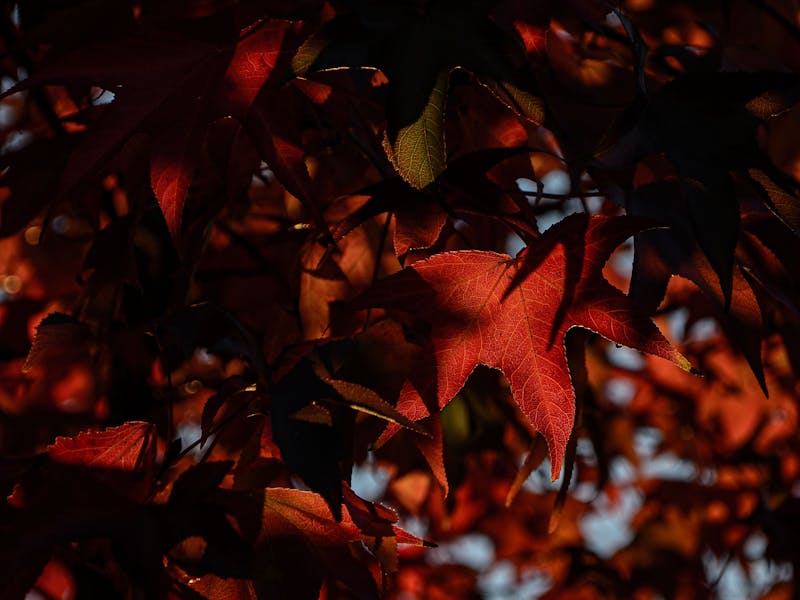
The Sweetgum (Liquidambar styraciflua) is one of the most familiar native trees across metro Atlanta's forests and neighborhoods. People love it for the spectacular fall color display, which can include shades of yellow, orange, red, and deep purple, often all blazing on the same tree. Growing 60 to 80 feet tall with a pyramidal to oval crown, sweetgums are handsome shade trees that play a starring role in Atlanta's fall color show.
The trade-off? Spiny, golf-ball-sized seed capsules (gumballs) that litter the ground from fall through spring. Stepping on one barefoot is an experience you won't forget. Those prickly fruits make sweetgums one of the most frequently requested trees for removal. Still, sweetgums carry real ecological value and cast first-rate shade, so many Atlanta homeowners choose to manage rather than remove them.
Identifying a Sweetgum
Sweetgum leaves are star-shaped with 5 to 7 pointed lobes, 4 to 7 inches across, and glossy dark green. They're aromatic when crushed, releasing a warm, resinous fragrance. The bark on mature trees is deeply furrowed with narrow, scaly ridges, gray to brownish-gray in color. Young twigs often sprout distinctive corky, wing-like ridges along their length.
The fruit is unmistakable: spherical, spiny capsules about 1 to 1.5 inches in diameter, dangling on long stalks. They start green, harden to brown, and persist on the tree and ground for months. Each capsule holds small, winged seeds.
Growing Conditions in Atlanta
Sweetgums are built for Atlanta. They shrug off clay soils, periodic flooding, and acidic conditions without complaint. They prefer full sun but handle partial shade just fine. Their natural habitat includes floodplains and moist woodlands, so most Atlanta landscapes feel like home turf to this adaptable native.
Common Problems and Diseases
Surface Roots are the biggest maintenance headache with sweetgums. Like red maples, sweetgums push aggressive roots right to the surface, where they buckle sidewalks, crowd foundations, and turn mowing into an obstacle course. Trimming those roots back risks harming the tree, so your options stay limited.
Fall Webworm frequently targets sweetgum in Atlanta, spinning web-covered nests at branch tips in late summer. Ugly? Absolutely. Dangerous to a large tree? Seldom. Small nests can be pruned out; large infestations on mature trees generally need no treatment at all.
Leaf Spot diseases caused by various fungi can pepper sweetgum foliage with brown or black spots during wet seasons. The damage is typically cosmetic and doesn't warrant treatment in otherwise healthy trees.
Care and Maintenance
Sweetgums ask little once established. Water during extended drought and keep mulch over the root zone. Prune in late winter to clear dead branches and manage structure. Want fewer gumballs in the future? The fruitless cultivar 'Rotundiloba' sidesteps the problem entirely for new plantings.
When to Call an Arborist
Reach out to an ISA-certified arborist if you need a sweetgum evaluated for removal or if you notice heavy dieback, noticeable lean, or root damage. Our team at EastLake Tree provides professional tree removal and stump grinding services throughout metro Atlanta.
Atlanta-Specific Tips
Love the shade and fall color but loathe the gumballs? Consider the fruitless cultivar 'Rotundiloba' for your next planting. For existing sweetgums, regular gumball cleanup is the only realistic fix. Avoid planting sweetgums near sidewalks, driveways, or patios where surface roots and gumballs create the worst trouble. These trees shine in naturalized areas and large open spaces where their downsides barely register.