Quick Facts: Sparkleberry
Vaccinium arboreum
10-25 ft
Slow
Full sun to partial shade
Acidic, well-drained; tolerates sandy soils
USDA Zones 7-9
Why Sparkleberry Is a Hidden Gem for Atlanta Gardens
Sparkleberry (Vaccinium arboreum), also known as Tree Huckleberry or Farkleberry, holds the distinction of being the only tree-form blueberry native to the southeastern United States. While most blueberry relatives are low shrubs, Sparkleberry grows as a small tree or large shrub reaching 10 to 25 feet tall, with an upright, often multi-stemmed form that adds year-round interest to Atlanta landscapes. Native throughout Georgia's Piedmont and coastal plain, this species is perfectly adapted to Atlanta's USDA zones 7b-8a and deserves far wider use in residential and commercial plantings.
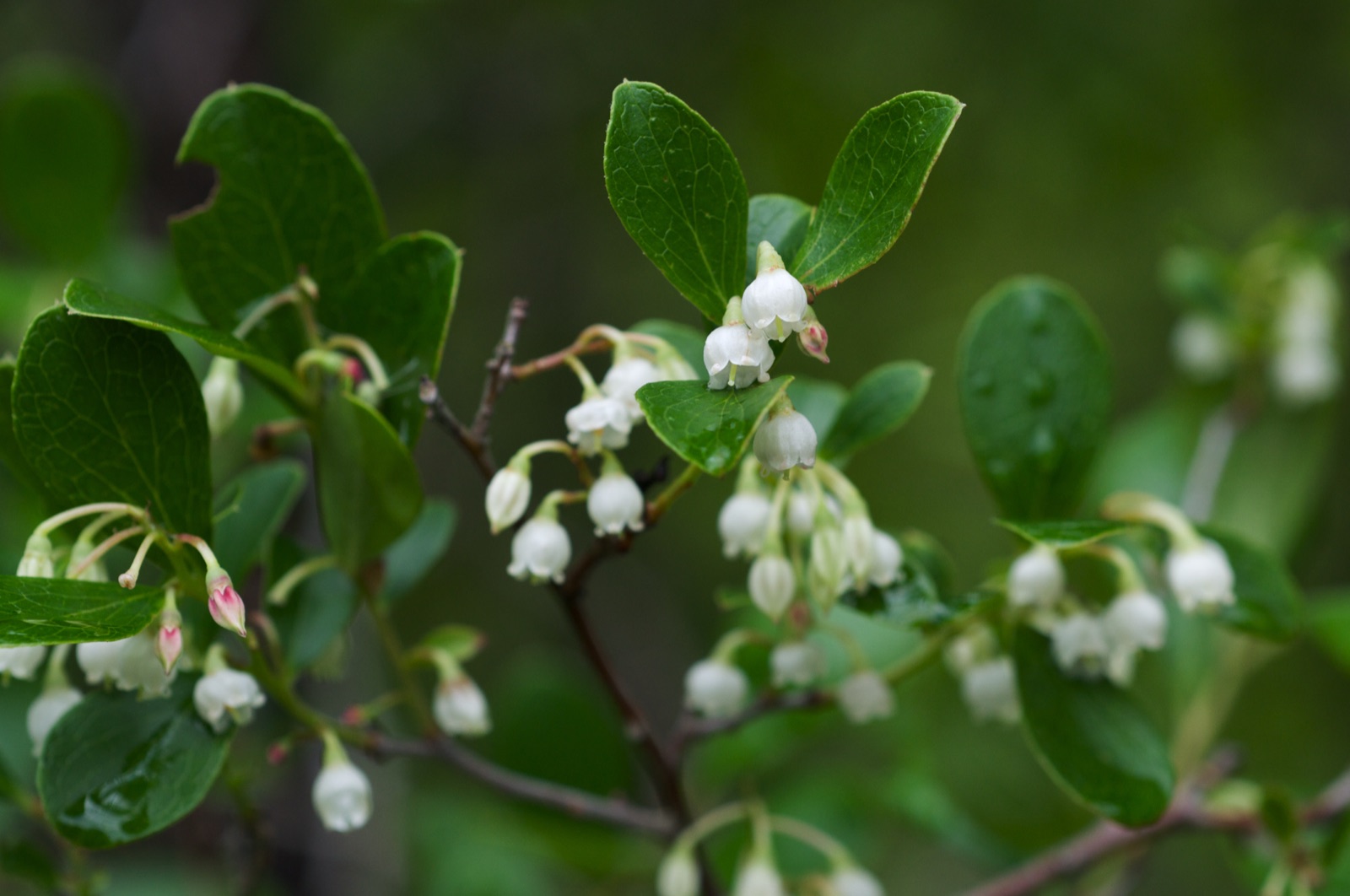
Sparkleberry offers multi-season appeal: delicate white, bell-shaped flowers in spring attract pollinators, small dark berries in fall and winter provide critical food for songbirds and wildlife, and the distinctive peeling, reddish-brown bark is attractive throughout the year. The leathery, semi-evergreen leaves often persist well into winter in Atlanta's milder years, providing late-season greenery when most deciduous trees are bare.
Identifying Sparkleberry
Sparkleberry is identified by its distinctive peeling, reddish-brown to cinnamon-colored bark that curls away from the trunk in thin strips, similar to crepe myrtle. The leaves are small, 1 to 3 inches long, oval, and leathery with a glossy dark green upper surface. Unlike most blueberry relatives, the leaves are somewhat thick and waxy, an adaptation to drought conditions. The small white flowers appear in late spring as drooping clusters, and the dark, round berries ripen in fall and persist into winter.
The multi-stem growth habit is natural and creates an attractive, sculptural form. Individual stems rarely exceed 4 to 6 inches in diameter, and the small size of the tree limits structural risk compared to larger species. Sparkleberry is an excellent choice for under power lines, small spaces, and naturalized woodland garden edges.
Planting and Care in Georgia
Sparkleberry strongly prefers acidic, well-drained soil, which is critical for its success in Atlanta landscapes. Much of Atlanta's native Piedmont soil is naturally acidic, which suits Sparkleberry well. However, in areas where soil pH has been raised by lime applications, concrete leaching, or construction fill, the tree may struggle with iron chlorosis, showing yellowing leaves with green veins. Test soil pH before planting and amend with sulfur if needed to achieve a pH below 6.0.
Plant in well-drained soil in full sun to partial shade. Sparkleberry tolerates sandy soils and drought conditions far better than most blueberry relatives, thanks to its deeper root system and leathery leaves. In Atlanta's clay soils, ensure adequate drainage by planting slightly high and amending with pine bark or compost. Mulch with pine straw or acidic organic matter to maintain soil acidity and conserve moisture.
Pruning needs are minimal due to the small size and naturally attractive form. Remove dead or crossing stems and thin the interior lightly to improve air circulation. The slow growth rate means little corrective pruning is needed once a good framework is established.
Common Problems in Georgia
Root Rot (Phytophthora) is the most serious threat to Sparkleberry in Atlanta, particularly when planted in poorly drained clay soils or over-irrigated sites. Symptoms include wilting, yellowing foliage, and gradual decline. Prevention through proper site selection and drainage is essential, as there is no effective cure once root rot is established.
Scale Insects may infest stems and branches, producing honeydew that leads to sooty mold. Monitor for crawlers in late spring and treat with horticultural oil if populations become problematic.
Iron Chlorosis develops when soil pH is too high for the tree to absorb iron effectively. Leaves turn yellow between the veins while veins remain green. Acidifying the soil with sulfur or using chelated iron treatments can correct the problem, but prevention through proper soil pH management is preferable.
When to Call an Arborist
Contact an ISA-certified arborist if your Sparkleberry shows signs of root rot, persistent chlorosis despite soil amendments, or significant scale infestations. While the tree's small size limits structural risk, professional plant health care can address soil chemistry issues and pest problems that affect the tree's vigor and appearance. EastLake Tree Services can assess your soil conditions and develop a care plan tailored to the specific needs of acid-loving native plants in Atlanta's urban environment.