Quick Facts: Carolina Silverbell
Halesia carolina
25-40 ft
Moderate
Partial shade to full shade
Acidic, moist, well-drained
USDA Zones 4-8
Why Carolina Silverbell Thrives in Atlanta
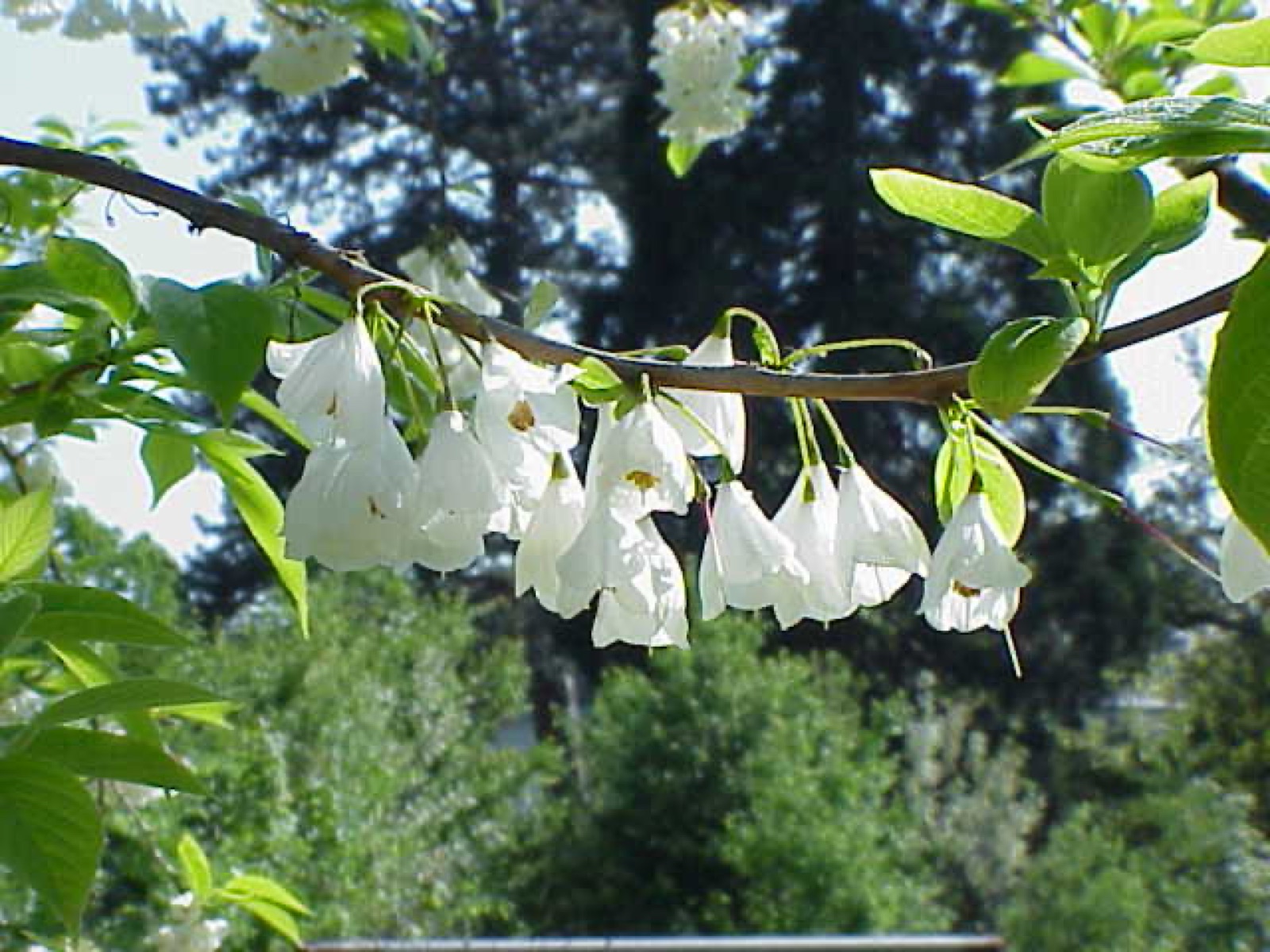
The Carolina Silverbell (Halesia carolina) is one of the most beautiful native flowering trees available for Atlanta landscapes, producing clusters of delicate white bell-shaped flowers that hang gracefully from the branches in April. Native to the rich mountain coves and stream banks of the southern Appalachians, this understory tree is well suited to shaded and partially shaded sites throughout the Atlanta metro area. It typically grows 25 to 40 feet tall with a rounded, spreading canopy that provides light, filtered shade.
Silverbell is an exceptional choice for naturalized woodland gardens and shaded residential lots in Atlanta. The spring flower display rivals that of dogwood, yet this tree receives far less attention from homeowners. The four-winged seed pods that follow the flowers persist into winter, adding subtle ornamental interest. Fall color is a pleasant yellow, and the bark develops attractive ridges and furrows on mature specimens.
Care Tips for Atlanta Silverbells
The key to success with Carolina Silverbell in Atlanta is providing the right growing conditions. This tree requires partial to full shade, especially protection from intense afternoon sun during Atlanta's brutally hot summers. Planting on the north or east side of buildings, beneath the canopy of larger trees, or along wooded edges provides the protection this species needs.
Consistent moisture is equally critical. Silverbell naturally grows along mountain streams and in moist cove forests, so it does not tolerate drought well. In Atlanta's landscape, provide deep watering during dry periods, especially during the first three to five years after planting. Heavy mulching with organic material helps conserve soil moisture and maintain the cool, acidic root zone conditions this tree prefers.
Pruning should address structural issues early. Silverbell can develop multiple leaders and weak branch unions that are vulnerable to splitting. The wood is somewhat brittle, making the tree susceptible to ice storm damage during Atlanta's occasional winter ice events. Establish a strong central leader when young and remove any co-dominant stems. Prune after flowering to avoid removing next year's flower buds.
Common Problems in Georgia
Root Rot (Phytophthora) is the most serious disease threat to Carolina Silverbell in Atlanta. While this tree loves moisture, it requires well-drained soil. In Atlanta's heavy clay, poor drainage can create waterlogged conditions that favor Phytophthora root rot. Symptoms include yellowing foliage, wilting despite adequate soil moisture, and progressive crown dieback. Proper site selection with well-drained soil is the best prevention.
Drought Stress is a common problem for Silverbells planted in overly sunny or dry locations. Symptoms include leaf scorch, premature leaf drop, and branch dieback. If your Silverbell shows chronic drought stress, consider installing drip irrigation or moving young trees to a more suitable site.
Branch Breakage from ice storms and heavy winds is an ongoing concern due to the relatively brittle wood. Ice storm damage can disfigure the canopy and create entry points for decay fungi. Clean up storm damage promptly with proper pruning cuts to promote healing.
Carolina Silverbell is generally pest-free, which is one of its great advantages over more common flowering trees like dogwoods and crabapples.
When to Call an Arborist
Contact an ISA-certified arborist if you notice crown dieback, root zone drainage problems, significant storm damage, or overall decline. Silverbell responds well to plant health care interventions when problems are identified early. Our team at EastLake Tree Services can assess site conditions and recommend solutions to help your Carolina Silverbell flourish in the Atlanta landscape.