Quick Facts: American Persimmon
Diospyros virginiana
35-60 ft
Slow to moderate
Full sun to partial shade
Tolerates wide range; prefers well-drained loam
USDA Zones 4-9
Why American Persimmon Thrives in Atlanta
The American Persimmon (Diospyros virginiana) is a native Georgia tree that has been growing in the Piedmont region for thousands of years. Well-adapted to Atlanta's USDA zones 7b-8a, this species thrives in the heat and humidity of Georgia summers while tolerating the occasional hard freeze. Found naturally along fence rows, forest edges, and old fields throughout metro Atlanta, persimmon is increasingly valued as a landscape tree for its striking fall color, wildlife benefits, and edible fruit.
Persimmon develops a deep taproot that makes it exceptionally drought tolerant once established. This taproot also means the tree is best planted young, as larger specimens do not transplant well. In Atlanta's red clay soils, the taproot can penetrate through compacted layers that defeat shallower-rooted species, giving persimmon an advantage on difficult sites.
Identifying American Persimmon
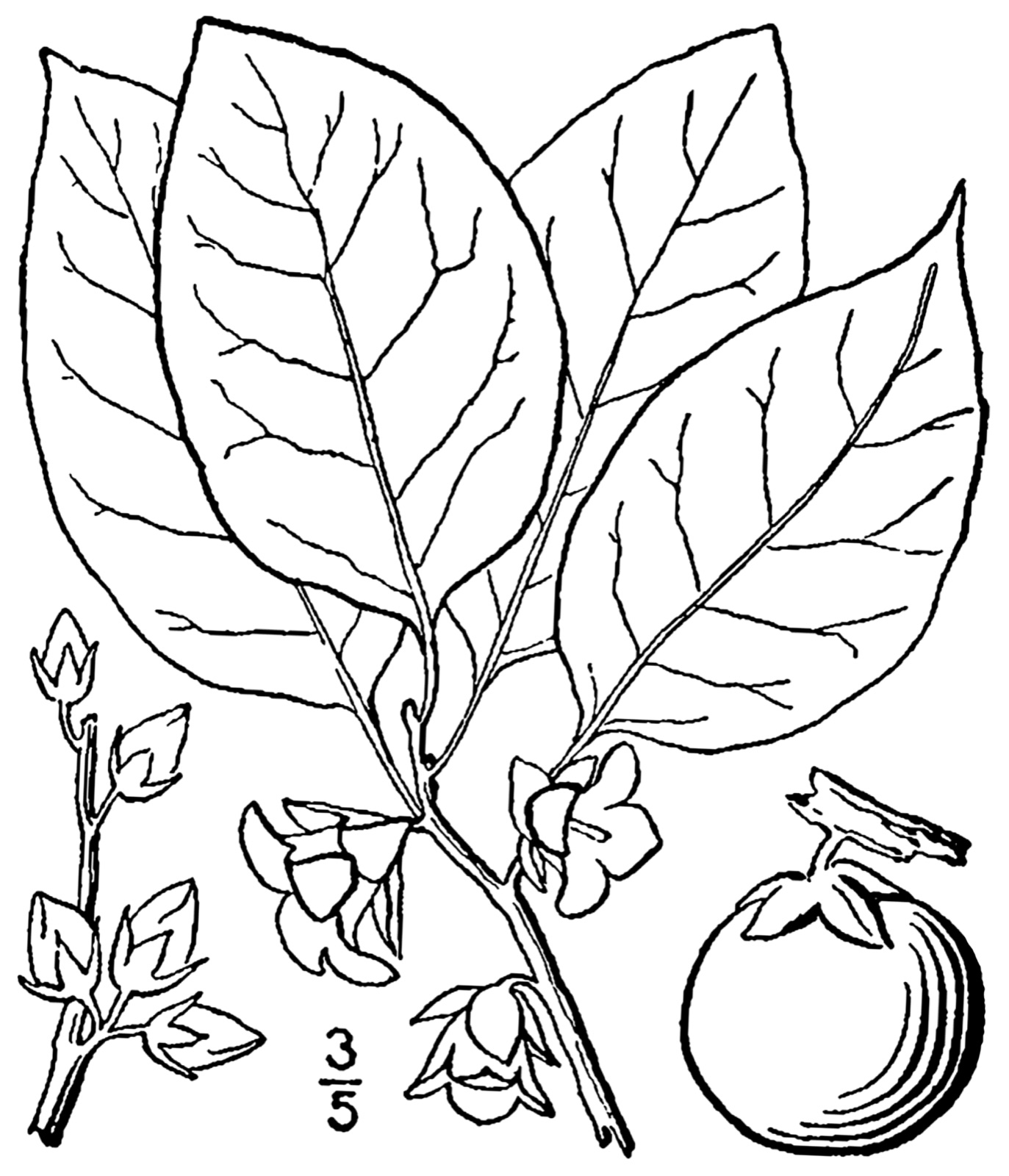
American Persimmon is identified by its distinctive blocky bark, often described as resembling alligator skin. The dark gray to black bark pattern is unique among Atlanta trees and makes winter identification easy. Leaves are simple, alternate, and oval, 4 to 6 inches long, with a glossy dark green upper surface. Fall color ranges from yellow to reddish-purple and is often spectacular in Georgia.
The tree is dioecious, meaning individual trees are either male or female. Only female trees produce the familiar orange fruit, and a male pollinator must be nearby for reliable fruit set. The fruit ripens in late fall after frost and is prized by wildlife including deer, raccoons, opossums, and birds. Unripe fruit is intensely astringent due to high tannin content.
Planting and Care in Georgia
Plant American Persimmon in full sun for best fruit production and fall color, though it tolerates partial shade. In Atlanta's clay soils, amend the planting hole with compost to improve drainage and backfill with native soil. Water deeply during the first two growing seasons, then the deep taproot will sustain the tree through most Georgia droughts. Avoid overwatering, which can promote root rot in heavy clay.
Pruning should address the species' tendency toward brittle branch wood. Remove narrow-angled branches and reduce long laterals to minimize storm damage. Persimmon also produces root suckers freely, which should be removed unless you want a naturalized grove effect. Sucker management is an ongoing task in maintained landscapes.
Common Problems in Georgia
Persimmon Wilt is the most serious disease, caused by the fungus Acremonium diospyri. This vascular wilt causes sudden wilting and death of branches or the entire tree. Infected wood shows black streaking. There is no cure; prevention through maintaining tree vigor with proper plant health care is essential.
Leaf Spot diseases are common during wet Georgia springs but rarely cause serious harm. Fungal leaf spots may cause early defoliation in severe years but the tree typically recovers.
Borers occasionally attack stressed persimmons. Maintaining adequate moisture during establishment and avoiding trunk wounds are the best preventive measures.
When to Call an Arborist
Contact an ISA-certified arborist if you notice sudden branch wilting, black streaking in the wood, or extensive dieback, which may indicate persimmon wilt. Professional assessment is also warranted for structural concerns related to brittle wood or storm damage. Our team at EastLake Tree Services can develop a plant health care program to keep your persimmon healthy and productive in Atlanta's urban environment.