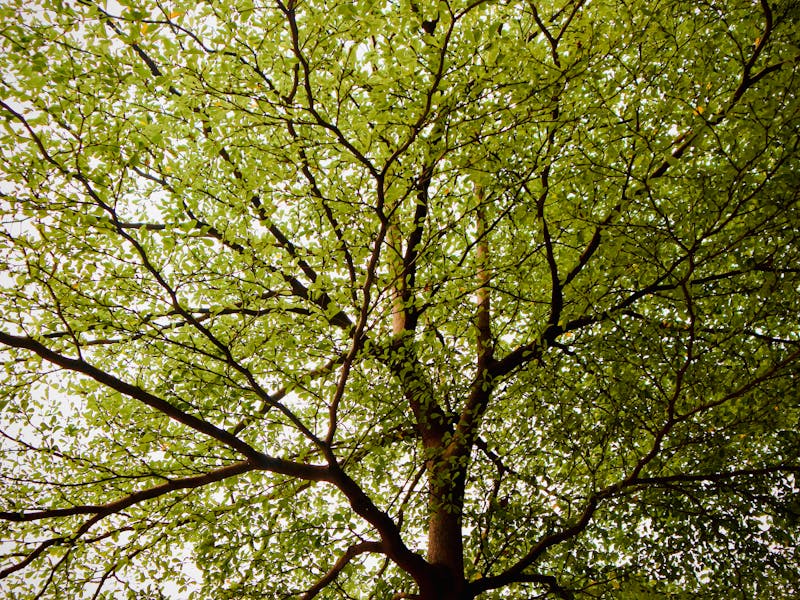
Quick Facts: Chinese Elm
Ulmus parvifolia
40-50 ft
Fast
Full sun to partial shade
Adaptable; tolerates poor, compacted, and clay soils
USDA Zones 5-9
A Resilient Street and Park Tree for Atlanta
The Chinese Elm (Ulmus parvifolia), also known as the lacebark elm, is one of the most versatile and resilient shade trees for Atlanta's urban landscape. It combines the graceful form and shade-giving qualities of the American elm with outstanding resistance to most of the diseases that devastated elm populations across North America. Growing 40 to 50 feet tall with a rounded, spreading crown, Chinese elm is increasingly popular in Atlanta for street plantings, parks, and residential landscapes.
Chinese elm should not be confused with the Siberian elm (Ulmus pumila), a weedy, brittle tree with few redeeming qualities. True Chinese elm is a refined, beautiful tree with attractive exfoliating bark that reveals patches of orange, gray, green, and brown. It is well-adapted to Atlanta's growing conditions and tolerates urban stresses including compacted soils, restricted root space, and air pollution.
Identifying a Chinese Elm
Chinese elm leaves are small for an elm, about 1 to 2.5 inches long, glossy dark green, and finely toothed. They emerge late in spring and may persist into early winter in Atlanta, making this tree semi-evergreen in mild years. Fall color varies from yellowish to reddish-purple depending on variety and weather.
The bark is the most distinctive feature: a patchwork mosaic of gray, green, orange, and brown that exfoliates in small, irregular plates. This multicolored bark display improves with age and is particularly attractive during winter. The overall form is a graceful, broadly rounded vase shape with fine-textured branching.
Growing Conditions in Atlanta
Chinese elm is remarkably adaptable to Atlanta's growing conditions. It tolerates clay, sand, acidic, and slightly alkaline soils. It handles drought, heat, and urban pollution with ease. Full sun produces the best growth, but it accepts partial shade. It can even tolerate compacted soils, making it suitable for challenging urban planting sites where other trees would struggle.
Common Problems and Diseases
Elm Leaf Beetle is the primary pest of Chinese elm in Atlanta. Both adult beetles and larvae feed on leaves, skeletonizing them and causing premature drop. While Chinese elm typically refoliates after defoliation, repeated attacks weaken the tree. Plant health care treatments including systemic insecticides provide effective control.
Dutch Elm Disease (DED) resistance is one of Chinese elm's greatest assets. While not completely immune, Chinese elm shows high resistance to this devastating fungal disease. Occasional infections can occur but are typically less severe than in American or European elms. Monitor for wilting and yellowing on individual branches and consult an arborist if symptoms appear.
Powdery Mildew can affect Chinese elm in humid conditions. The white fungal growth on leaves is unsightly but usually cosmetic. Good air circulation and proper spacing help prevent mildew.
Care and Maintenance
Chinese elm benefits from structural pruning when young to develop a strong framework and an attractive vase form. Remove crossing branches, narrow V-crotches, and competing leaders. Mature trees need periodic pruning to manage size and remove dead wood. The fine-textured branching creates twig litter, which is the tree's primary maintenance demand.
Water during establishment and extended drought periods. Fertilize based on soil test results. Mulch to maintain soil moisture and health.
When to Call an Arborist
Contact an ISA-certified arborist for structural pruning, elm leaf beetle management, or any signs of vascular disease. EastLake Tree Services can assess Chinese elm health and recommend appropriate plant health care treatments for your Atlanta trees.
Atlanta-Specific Tips
Chinese elm is an excellent replacement for water oaks and other declining shade trees in Atlanta. Look for named cultivars like 'Allee' (also sold as 'Emer II'), 'Athena,' and 'Bosque,' which have been selected for superior form, bark, and pest resistance. These improved varieties significantly outperform seedling-grown trees. Chinese elm is one of the best shade tree choices for challenging urban sites in Atlanta, including street tree strips, parking lots, and small yards where tougher conditions prevail.